Ultimate Guide to Effective Deep Cleaning Strategies
In a world where cleanliness and hygiene have taken center stage like never before, the significance of effective disinfection practices cannot be overstated. As we navigate through 2021 with heightened awareness of our surroundings, understanding the ins and outs of disinfection is crucial for maintaining a safe and healthy environment. This comprehensive guide is designed to equip you with the knowledge and tools necessary to elevate your disinfection strategies to the next level. From the importance of implementing consistent disinfection schedules to exploring cutting-edge technologies, this article will delve into various aspects of disinfection to help you make informed decisions tailored to different settings. Get ready to discover top techniques, choose the right disinfectants, and stay ahead of the curve with the latest advancements in disinfection technology
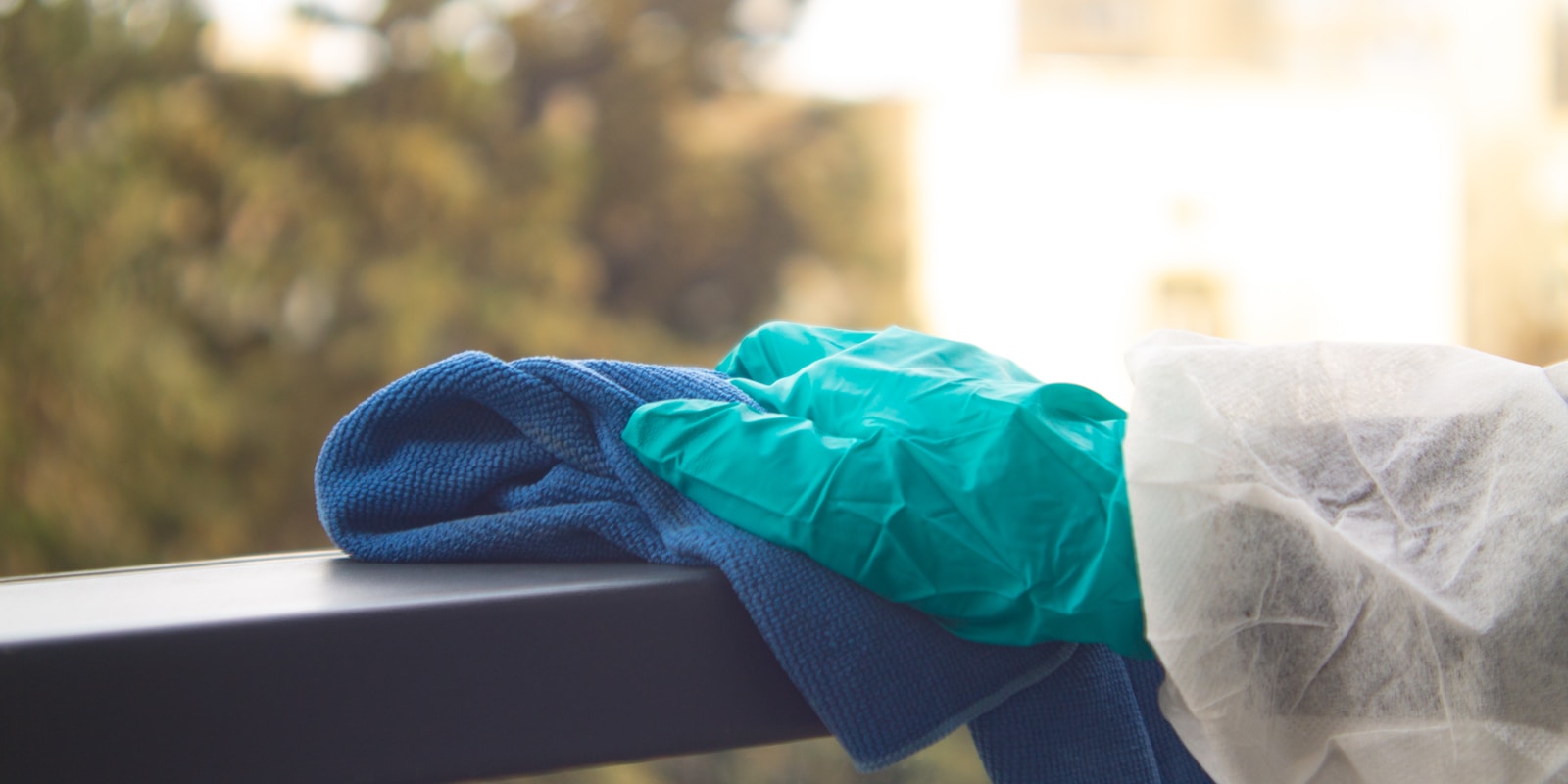
Understanding the Importance of Disinfection Practices
In today's world, the importance of disinfection practices cannot be overstated. The ongoing global health crisis has put a spotlight on the significance of maintaining clean and sanitized environments to prevent the spread of harmful pathogens. Effective disinfection strategies play a crucial role in safeguarding public health, reducing the risk of infections, and creating safer spaces for individuals to live, work, and socialize. Disinfection is the process of eliminating or reducing harmful microorganisms such as bacteria, viruses, and fungi from surfaces, objects, and the air. By disrupting the spread of these pathogens, disinfection helps to minimize the transmission of infectious diseases and protect the health and well-being of individuals. This is particularly important in high-traffic areas such as schools, healthcare facilities, offices, and public spaces where germs can easily spread from person to person. One of the key benefits of effective disinfection practices is the ability to break the chain of infection. Pathogens can survive on surfaces for extended periods, making it easy for them to be transferred between individuals through direct contact or contaminated objects. Regular disinfection of frequently touched surfaces, shared equipment, and common areas can help to prevent the spread of germs and reduce the risk of outbreaks. In addition to protecting public health, disinfection plays a critical role in maintaining the cleanliness and hygiene of various environments. Clean and sanitized spaces not only look more inviting but also contribute to a healthier and more productive atmosphere. By implementing proactive disinfection strategies, organizations can demonstrate their commitment to safety and well-being, instilling confidence in employees, customers, and visitors. Furthermore, the importance of disinfection practices extends beyond the current health crisis. By establishing and upholding rigorous disinfection protocols, individuals and organizations can build resilience against future public health threats and ensure preparedness for potential outbreaks. Investing in effective disinfection strategies now can help to prevent the spread of infections in the future and protect against the emergence of new pathogens. In conclusion, understanding the importance of disinfection practices is essential for maintaining a safe and healthy environment. By implementing effective disinfection strategies, individuals and organizations can mitigate the risk of infections, promote hygiene, and create a secure and welcoming space for everyone. As we navigate the challenges of the ongoing health crisis and prepare for the future, prioritizing disinfection is key to protecting public health and well-being
Top Disinfection Techniques for Different Settings
Effective disinfection is crucial in maintaining a clean and healthy environment, especially in light of the ongoing global health crisis. Different settings, whether residential, commercial, or public, require specific disinfection strategies tailored to their unique needs. By understanding the top disinfection techniques suited for various settings, you can ensure a comprehensive approach to keeping spaces safe and hygienic. **1. Residential Settings:** In homes, regular cleaning and disinfection of frequently-touched surfaces such as doorknobs, countertops, and light switches are essential. Using EPA-approved disinfectants and following proper disinfection protocols can help prevent the spread of germs among family members. For added protection, consider incorporating UV disinfection devices or steam cleaners for thorough sanitation of surfaces. **2. Commercial Settings:** Businesses, offices, and commercial establishments require a more rigorous disinfection approach due to higher foot traffic. Implementing daily cleaning routines, hiring professional cleaning services, and utilizing electrostatic sprayers for broad-area disinfection can effectively reduce the risk of contamination. Pay special attention to shared spaces like restrooms, break rooms, and meeting areas. **3. Public Settings:** Public spaces such as schools, gyms, and transportation hubs demand proactive disinfection strategies to safeguard the health of a large number of individuals. Utilize heavy-duty disinfectants, schedule frequent cleaning cycles, and consider investing in air purification systems to enhance indoor air quality. Implementing touchless technologies and hand sanitizer stations can also encourage better hygiene practices among visitors. **4. Healthcare Settings:** Hospitals, clinics, and medical facilities require stringent disinfection measures to prevent healthcare-associated infections. Following industry best practices, using hospital-grade disinfectants, and establishing strict cleaning protocols are essential in healthcare settings. Incorporating antimicrobial surfaces and UV-C disinfection systems can provide an added layer of protection against pathogens. **5. Educational Settings:** Schools and educational institutions play a critical role in promoting a safe learning environment for students and staff. Enhanced cleaning of classrooms, disinfection of shared equipment, and promoting hand hygiene practices are key strategies in educational settings. Consider implementing regular disinfection schedules, promoting social distancing measures, and encouraging mask-wearing to minimize the risk of contagion. By tailoring disinfection techniques to specific settings and adhering to recommended guidelines, you can create a comprehensive and effective disinfection strategy for 2021. Remember, consistency and attention to detail are key in mitigating the spread of germs and ensuring the well-being of individuals in various environments
Choosing the Right Disinfectants for Maximum Efficacy
Effective disinfection is crucial in maintaining a clean and safe environment, especially in the face of the ongoing global health crisis. With numerous disinfectant products available in the market, choosing the right one can be overwhelming. To ensure maximum efficacy in your disinfection strategies for 2021, it's essential to consider a few key factors when selecting the appropriate disinfectants. 1. **Understand the Pathogens**: Different disinfectants are designed to target specific pathogens. Before choosing a disinfectant, identify the common pathogens you are trying to combat. Whether it's bacteria, viruses, fungi, or other microorganisms, selecting a disinfectant that is proven effective against these specific pathogens is vital. 2. **Check the EPA List**: The Environmental Protection Agency (EPA) maintains a list of disinfectants that are effective against SARS-CoV-2, the virus that causes COVID-19. When choosing a disinfectant, refer to the EPA's list to ensure that the product has been tested and approved for use against this particular virus. 3. **Consider Contact Time**: The contact time refers to the amount of time a disinfectant must remain wet on a surface to effectively kill the pathogens. Some disinfectants require longer contact times than others. Make sure to follow the manufacturer's instructions regarding contact time to achieve the desired efficacy. 4. **Evaluate Safety**: Safety should always be a top priority when choosing a disinfectant. Consider factors such as toxicity, flammability, and potential harm to surfaces or individuals. Select products that are safe for the intended environment and follow the recommended safety precautions during application. 5. **Compatibility with Surfaces**: Not all disinfectants are suitable for all surfaces. Some products may damage certain materials or finishes. Verify the compatibility of the disinfectant with the surfaces in your facility to avoid any potential damage or ineffective disinfection. 6. **Review Application Methods**: Different disinfectants may require specific application methods such as spraying, wiping, or fogging. Ensure that the chosen disinfectant aligns with your preferred application method to achieve consistent and thorough coverage. By carefully considering these factors and choosing the right disinfectants based on your specific needs, you can enhance the efficacy of your disinfection strategies in 2021. Remember that proper cleaning and disinfection practices, coupled with the use of the right products, are essential steps in maintaining a safe and healthy environment for everyone

Implementing a Consistent Disinfection Schedule
Proper disinfection is crucial in maintaining a safe and healthy environment, especially in light of the global health situation. Here are some key strategies to effectively implement a consistent disinfection schedule in 2021: 1. **Identify High-Touch Surfaces:** High-touch surfaces, such as doorknobs, light switches, and countertops, are prime areas for the spread of bacteria and viruses. By identifying these surfaces in your home or workplace, you can prioritize them in your disinfection schedule to minimize the risk of contamination. 2. **Choose the Right Disinfectant:** Not all disinfectants are created equal. It's essential to select a product that is effective against a broad spectrum of pathogens, including viruses like COVID-19. Check the label for EPA-approved disinfectants and follow the instructions for proper use and contact time. 3. **Establish a Routine:** Consistency is key when it comes to disinfection. Set up a regular schedule for cleaning and disinfecting high-traffic areas, shared spaces, and frequently used objects. Whether it's daily, weekly, or monthly, sticking to a routine will help maintain a hygienic environment over time. 4. **Provide Adequate Training:** If you have a team responsible for cleaning and disinfection, ensure they receive proper training on the correct techniques and protocols. This includes understanding how to dilute disinfectants, use personal protective equipment, and follow safety guidelines to protect themselves and others. 5. **Utilize Technology:** In 2021, there are various technological solutions available to enhance disinfection efforts. From UV-C light sanitizers to electrostatic sprayers, these tools can help supplement manual cleaning practices and provide an extra layer of protection against pathogens. 6. **Monitor and Adapt:** Regularly assess the effectiveness of your disinfection schedule by monitoring cleanliness levels and seeking feedback from occupants or visitors. Be prepared to adjust your strategies based on evolving guidelines, new research, or feedback to ensure your approach remains effective. By implementing a consistent disinfection schedule and following these strategies, you can create a cleaner and safer environment for yourself, your family, or your colleagues in 2021
Staying Ahead with Cutting-Edge Disinfection Technology
In today's fast-paced world, staying ahead with cutting-edge disinfection technology is crucial for maintaining cleanliness and safety in various environments. As we navigate the challenges posed by the ongoing global health crisis and the threat of infectious diseases, effective disinfection strategies have become more important than ever before. By leveraging innovative technologies and techniques, businesses, healthcare facilities, schools, and other organizations can create safer and healthier spaces for their employees, customers, and visitors. One of the key trends in disinfection technology is the increased use of ultraviolet (UV) light for disinfection purposes. UV light has been shown to be highly effective in killing a wide range of pathogens, including bacteria and viruses. UV disinfection systems can be used to sanitize air, surfaces, and water, making them a versatile solution for a variety of settings. Automated UV disinfection robots are also being deployed in healthcare facilities to supplement traditional cleaning methods and ensure thorough disinfection of high-touch surfaces. Another emerging technology in the field of disinfection is electrostatic spraying. This innovative technique involves applying a disinfectant solution as a fine mist that is positively charged, allowing it to efficiently coat and cling to surfaces. Electrostatic sprayers can cover large areas quickly and evenly, providing a more thorough disinfection compared to traditional cleaning methods. This technology is particularly useful in settings where rapid disinfection is required, such as public transportation, schools, and offices. Furthermore, advancements in antimicrobial coatings are revolutionizing the way surfaces are protected against harmful microorganisms. These coatings contain compounds that inhibit the growth of bacteria and viruses on treated surfaces, providing long-lasting protection against contamination. By incorporating antimicrobial coatings into their facilities, organizations can create a more hygienic environment and reduce the risk of infections spreading among occupants. In conclusion, staying ahead with cutting-edge disinfection technology is essential for organizations looking to prioritize cleanliness and safety in 2021 and beyond. By embracing the latest advancements in disinfection technology, businesses and institutions can enhance their infection prevention efforts, protect the health of their stakeholders, and demonstrate their commitment to maintaining a clean and healthy environment
Conclusion
In conclusion, as we progress through 2021 with a heightened emphasis on cleanliness and hygiene, mastering effective disinfection strategies is essential. Throughout this guide, we have uncovered the importance of consistent disinfection schedules, explored cutting-edge technologies, and highlighted the significance of choosing the right disinfectants. By staying informed, adopting top techniques, and embracing advancements in disinfection technology, you are empowered to create safe and healthy environments in various settings. Remember, a proactive approach to disinfection not only safeguards against germs but also promotes overall well-being. Elevate your disinfection practices today to shape a better tomorrow